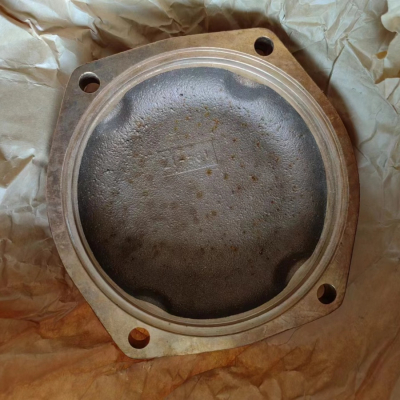
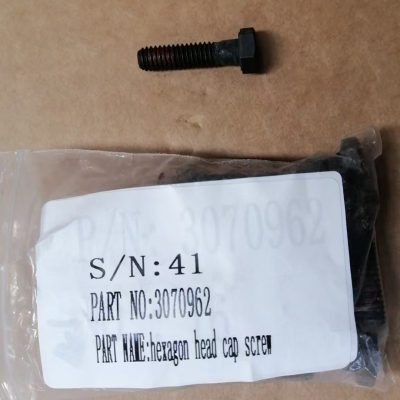
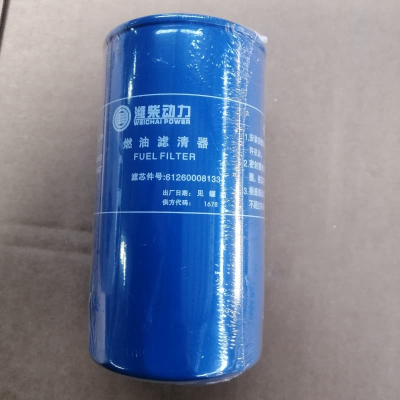
Russian Industrial Market: Sourcing High-Quality Spare Parts for Uninterrupted Production
Market Overview: The Growing Demand for High-Quality Spare Parts in Russia
The Russian industrial sector is currently navigating a profound transformation. The large-scale exit of Western manufacturers and the subsequent reorientation of supply chains have created both significant challenges and substantial opportunities for suppliers of high-quality industrial spare parts. According to the Russian Union of Industrialists and Entrepreneurs (RSPP), nearly half of Russian enterprises are experiencing a high level of need for import substitution, particularly in the categories of "machinery and equipment" and "components and assemblies". This demand surge is not temporary; it represents a structural shift in the market that is reshaping the landscape for reliable industrial spare parts sourcing.
The numbers are compelling. The Russian industrial parts market is currently characterized by a severe shortage of high-quality domestic alternatives for critical components. For global suppliers, this represents a strategic opportunity to fill a market void with competitive, durable, and certified products. The most sought-after categories include bearings, seals, valves, fasteners, and critical engine components. Today, Russian enterprises are not just looking for parts; they are looking for reliable industrial spare parts backed by robust quality control and supply chain reliability.
Market Data: Trade Dynamics and Price Trends
Recent trade data confirms the shift in sourcing patterns. In the first five months of 2026, Russian-Chinese trade turnover surged by an incredible 22.9%, reaching $109.5 billion. This growth is primarily driven by a 26.4% increase in Chinese exports to Russia, highlighting a strong demand for industrial components and machinery. This trend underscores the Russian market’s active search for stable and high-quality spare parts for the industrial sector.
The “Russian market” is also experiencing significant price volatility. Since the beginning of 2026, prices for automotive and industrial components have risen by 15% to 30%. Factors driving this increase include higher logistics costs, increased taxes, and localized shortages of specific components. According to experts, critical engine components and high-turnover consumables are seeing the most substantial price hikes. This dynamic makes it more critical than ever for manufacturers and plant operators to secure reliable spare parts for industrial equipment at stable, competitive prices.
Trend Analysis: Shifting Priorities and New Sourcing Strategies
The overarching trend in the “Russian market” is the transition from simply filling a supply gap to building sustainable, long-term supplier relationships. The initial scramble to find any available spare part is evolving. Buyers are now prioritizing reliable industrial spare parts with traceable origins and verifiable quality. This aligns with a major shift from sourcing from “unfriendly” nations to “friendly” ones, with components from China now occupying a dominant position.
Key trends include:
Focus on B2B Solutions: Major industry events like the CMF 2026 in Moscow are shifting their focus from heavy equipment to high-demand spare parts and components. This reflects the primary need of domestic enterprises: keeping existing machinery operational and efficient.
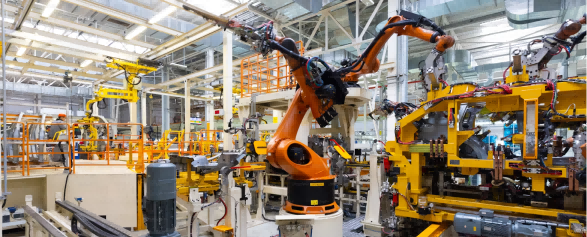
Technology Integration: Russian companies are increasingly integrating automation and artificial intelligence (AI) into their production and supply chains. To remain competitive, suppliers of high-quality industrial spare parts must be capable of digital integration.
Additive Manufacturing: Major Russian corporations, such as Rosatom, are adopting 3D printing to produce tooling and spare parts on-demand, reducing lead times by up to 85%. This technology is proving vital for producing complex components and reducing reliance on traditional imports.
Technical Excellence: Manufacturing and Quality Assurance
For international B2B buyers, understanding the technical standards and certifications required in the “Russian market” is non-negotiable. Suppliers of high-quality spare parts for the industrial sector must meet stringent criteria to be considered reliable partners.
First and foremost is the EAC (Eurasian Conformity) certification. This is the primary regulatory requirement for products entering the Russian market. Without it, customs clearance and legal sale are impossible. A commitment to quality goes far beyond just a certificate.
Leading suppliers demonstrate their reliability through several key practices that ensure reliable industrial spare parts:
Strict Quality Control (QC): Reputable manufacturers adhere to robust quality management standards, such as ISO 9001, ISO 14001, and ISO 45001. They also perform rigorous outgoing inspections on every part, backed by material certificates, test reports, and defectoscopy acts.
Material Traceability: The best suppliers use specialized alloys and steels not found in standard specifications, ensuring components can withstand the rigorous demands of Russian industrial applications.
In-House Manufacturing: More suppliers are establishing their own production capabilities and modernizing their machine parks, allowing them to better control quality and offer competitive delivery schedules.
Application: Real-World Performance in Critical Industries
Reliable spare parts for industrial equipment are essential in a variety of sectors. In the construction industry, for instance, components for concrete mixers, such as reducers, bearings, and seals, must be sourced from trusted industrial spare parts distributors. For agricultural operations, downtime due to a failed part in a combine or tractor directly impacts a nation's food supply. The demand for high-quality spare parts for the industrial sector in agriculture is ever-present. Similarly, specialized parts for manufacturers like JCB, CARRARO, HIDROMEK, and PERKINS are in high demand.
The failure of a single component can trigger a damaging chain reaction. For example, a worn ball bearing can destroy the bearing it supports, while cheap brake pads will quickly ruin the brake discs they are meant to protect. Replacing a part with a counterfeit or low-quality alternative can cost a company 2 to 4 times more in the long run due to accelerated wear and frequent replacement. This is a clear testament to the value of using reliable industrial spare parts from the start.
FAQ: Common Questions from B2B Buyers
1. What certifications do I need to supply spare parts to the Russian market?
The most crucial requirement for supplying parts to Russia is obtaining EAC (Eurasian Conformity) certification. Without it, your products cannot be legally imported or sold. It is also highly recommended to provide a complete technical dossier for each part, including material certificates, test reports, and an inspection protocol, as this builds trust with Russian buyers.
2. What are the most critical quality indicators for a reliable spare parts supplier?
Russian buyers are looking for partners who can guarantee high-quality industrial spare parts through a documented and rigorous quality management system. This includes having ISO certifications (like ISO 9001), performing thorough incoming and outgoing inspections, and providing technical support. The ability to supply parts made of specialized materials and alloys to meet demanding industrial conditions is also a key differentiator.
3. How can I ensure stable supply despite current market volatility?
To overcome current logistical challenges and ensure a steady supply of reliable spare parts for industrial equipment, it’s vital to establish a supply chain with multiple sourcing points. Many successful suppliers now maintain main distribution hubs in China, supplemented by buffer stock within Russia. Developing accurate demand forecasting and building a buffer stock for critical parts can also protect against price spikes and material shortages.
4. Are there specific trends in technology adoption for manufacturing spare parts?
Yes, advanced manufacturing technologies are becoming a competitive advantage. Large companies are increasingly exploring additive manufacturing (3D printing) to produce non-standard and urgently needed tooling and components directly on-site. This technology drastically reduces lead times and costs, making it a trend to watch. Additionally, the adoption of AI and automation in supply chain management is helping to optimize inventory and improve predictability.